Introduction: Taking a Proactive Approach to Total Property Care
A well-maintained property doesn’t happen by accident—it’s the result of consistent care, smart planning, and timely upgrades. Every component of a home or property, from the roof overhead to the systems hidden behind walls and beneath the ground, plays a role in overall performance, safety, and long-term value. When even one area is neglected, it can create a chain reaction of issues that affect comfort, efficiency, and structural integrity.
Many property owners fall into the habit of reacting to problems instead of preventing them. While emergency fixes are sometimes unavoidable, relying on reactive maintenance often leads to higher costs and more extensive repairs over time. A proactive approach allows homeowners to identify risks early, budget effectively, and maintain a property that performs reliably year after year.
This guide is designed to provide a comprehensive look at maintaining and improving both the interior systems and exterior features of a property. By understanding how different elements work together, property owners can make better decisions, avoid unnecessary expenses, and create a more functional and visually appealing space.
Start with a Whole-Property Assessment Before Planning Improvements
Before beginning any upgrades or repairs, it’s essential to evaluate the current condition of the entire property. A thorough assessment helps identify immediate concerns, uncover hidden issues, and establish a clear plan moving forward.
Start by walking through both the interior and exterior of the property. Look for visible signs of wear such as cracks, leaks, discoloration, or uneven surfaces. Pay attention to areas that are often overlooked, including attics, crawl spaces, and drainage zones.
A structured assessment should include:
- Structural components like roofing, siding, and foundation
- Mechanical systems such as HVAC, plumbing, and electrical
- Outdoor features including landscaping, paving, and trees
- Signs of water intrusion or pest activity
Once the inspection is complete, categorize issues into three groups:
- Immediate repairs that affect safety or prevent further damage
- Short-term improvements that enhance functionality
- Long-term upgrades that improve efficiency and value
Creating a timeline for these tasks ensures that nothing is overlooked. It also allows homeowners to coordinate projects more efficiently and avoid overlapping work that could cause delays or additional costs.
Prevent Structural Damage by Addressing Roofing Issues Early
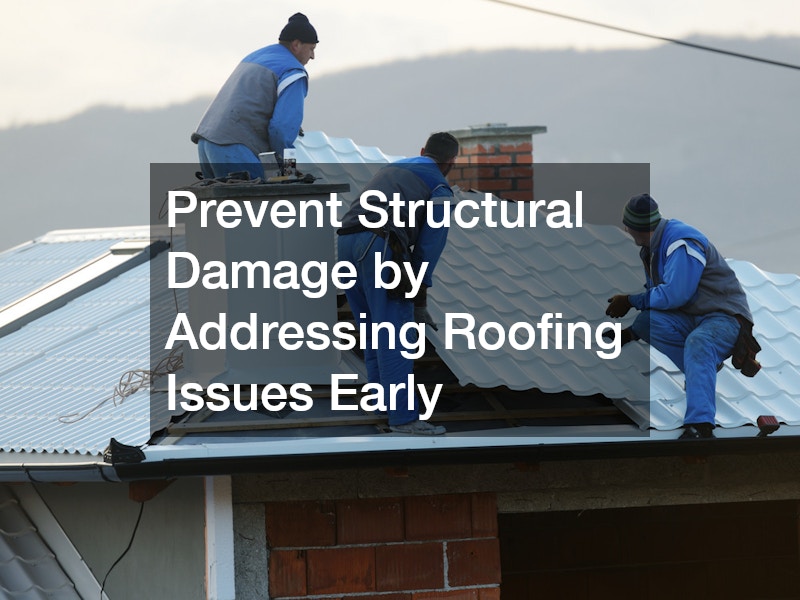
The roof is one of the most critical components of any property, acting as the first line of defense against weather and environmental elements. Even minor damage can quickly escalate if left unaddressed.
Common warning signs include missing or curling shingles, water stains on ceilings, and debris accumulation in gutters. Weather conditions such as heavy rain, wind, and snow can accelerate wear and tear, making regular inspections essential.
Key maintenance practices include:
- Inspecting the roof at least twice a year
- Clearing debris from gutters and downspouts
- Checking flashing around vents and chimneys
- Addressing small leaks before they spread
Homeowners should also evaluate whether repairs are sufficient or if a full replacement is necessary. Older roofs may no longer provide adequate protection and can lead to higher energy costs due to poor insulation.
Investing in timely roof repair not only prevents structural damage but also extends the lifespan of the roofing system and protects the interior of the home.
Improve Indoor Air Quality and System Efficiency
Indoor air quality plays a significant role in comfort and health. Over time, dust, debris, and contaminants can accumulate in ductwork, reducing airflow and spreading pollutants throughout the home.
Signs that the system may need attention include uneven airflow, increased dust buildup, and unexplained allergy symptoms. In many cases, leaks or blockages in the duct system can also reduce efficiency and increase energy costs.
Working with experienced HVAC contractors ensures that the system is properly inspected and maintained. Professional services can identify hidden issues and recommend solutions that improve both performance and air quality.
Recommended maintenance steps:
- Schedule regular duct inspections
- Clean and seal ductwork to prevent leaks
- Replace air filters regularly
- Monitor system performance during seasonal changes
Air duct cleaning and repair not only enhances air quality but also helps HVAC systems operate more efficiently, reducing energy consumption and extending equipment lifespan.
Maintain Reliable Water Systems and Prevent Costly Leaks
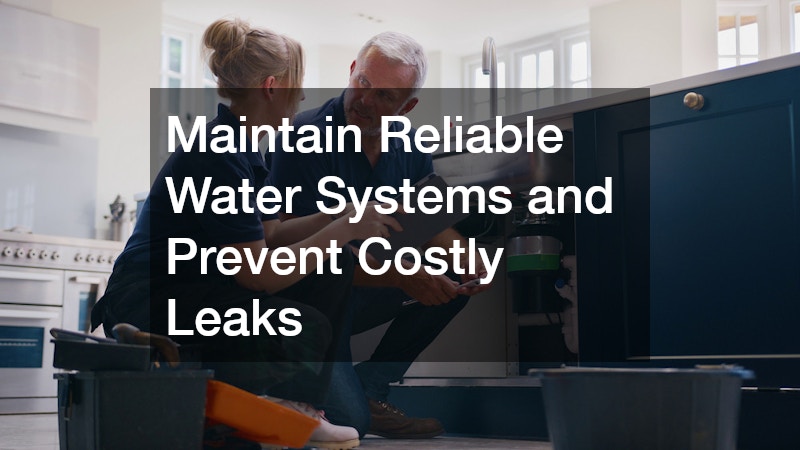
Plumbing systems are essential for daily living, yet they are often taken for granted until a problem arises. Leaks, clogs, and pressure issues can cause significant damage if not addressed promptly.
Common issues include dripping faucets, slow drains, and hidden leaks behind walls. These problems can lead to water waste, increased utility bills, and even structural damage.
Preventative measures include:
- Inspecting pipes for corrosion or leaks
- Avoiding harsh chemical drain cleaners
- Installing water pressure regulators if needed
- Addressing minor issues before they worsen
A professional plumber can provide thorough inspections and repairs, ensuring that the system operates efficiently. Routine maintenance also helps extend the lifespan of plumbing components and prevents costly emergencies.
Ensure Electrical Safety and Modern System Performance
Electrical systems must be both safe and capable of handling modern energy demands. Outdated wiring, overloaded circuits, and faulty components can pose serious safety risks.
Warning signs include flickering lights, frequently tripped breakers, and warm or discolored outlets. These issues should never be ignored, as they may indicate underlying problems that require immediate attention.
Key safety practices include:
- Scheduling regular electrical inspections
- Upgrading outdated panels and wiring
- Avoiding overloading outlets and circuits
- Installing surge protection devices
Hiring a qualified electrician ensures that all work meets safety standards and building codes. Upgrading electrical systems not only improves safety but also supports modern appliances and technology.
Design Functional and Attractive Outdoor Living Spaces
Outdoor spaces have become an extension of the home, offering opportunities for relaxation, entertainment, and increased property value. Thoughtful design is key to creating a space that is both functional and visually appealing.
Inground pools can serve as a focal point, while a professional landscaping company can help integrate natural elements such as plants, walkways, and lighting.
Planning considerations include:
- Selecting materials that withstand local climate conditions
- Designing layouts that maximize usable space
- Incorporating features like seating, shade, and lighting
- Ensuring proper drainage to prevent water issues
Regular maintenance is also essential to preserve the appearance and functionality of outdoor features. By combining aesthetics with practicality, homeowners can create spaces that enhance both lifestyle and property value.
Protect Your Property from Unwanted Damage and Infestations
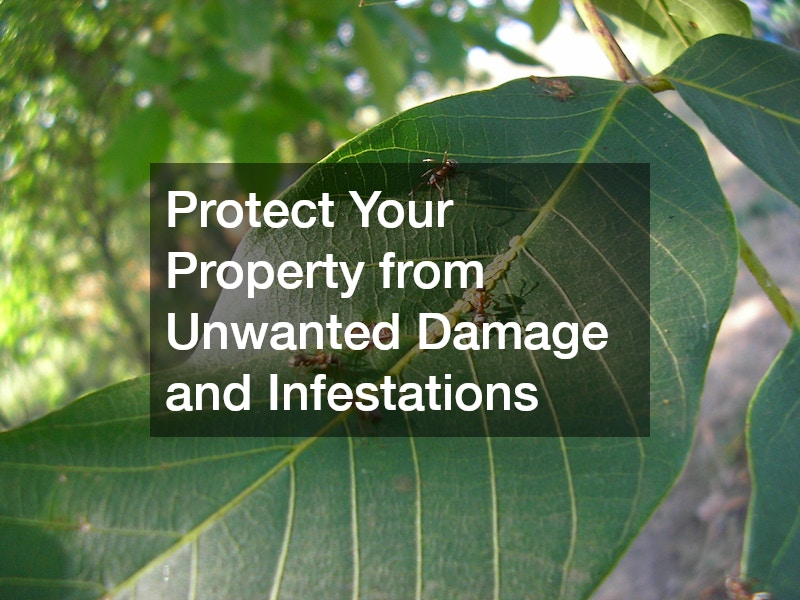
Pests can cause significant damage to both the structure and health of a property. From termites and rodents to insects, infestations can quickly escalate if not addressed early.
Signs of pest activity include droppings, damaged materials, and unusual odors. Preventative measures are essential to keep infestations under control.
Effective strategies include:
- Sealing entry points around the property
- Maintaining clean and clutter-free spaces
- Removing standing water and food sources
- Scheduling regular inspections
Working with a pest control company provides access to professional treatments and long-term prevention plans. Consistent monitoring ensures that potential issues are identified and resolved before they become major problems.
Conclusion: Building a Safe, Efficient, and Attractive Property
Caring for a property requires a balanced approach that combines maintenance, repairs, and strategic improvements. By addressing issues early and planning upgrades thoughtfully, homeowners can avoid costly problems and create a more comfortable living environment.
Each system, from structural components to outdoor features, plays a role in overall performance. When these elements are properly maintained and integrated, the result is a property that functions efficiently and retains its value over time.
Long-term success comes from consistency, informed decision-making, and a commitment to proactive care. By investing in the health of the property, homeowners can enjoy greater peace of mind and a space that continues to meet their needs for years to come.